
Latest posts
-
Low-Intensity Repetitive Transcranial Magnetic Stimulation Using the BIOKYBA BRAIN System: A Preliminary Observational Study of Symptom Improvement in Patients with Severe Depression
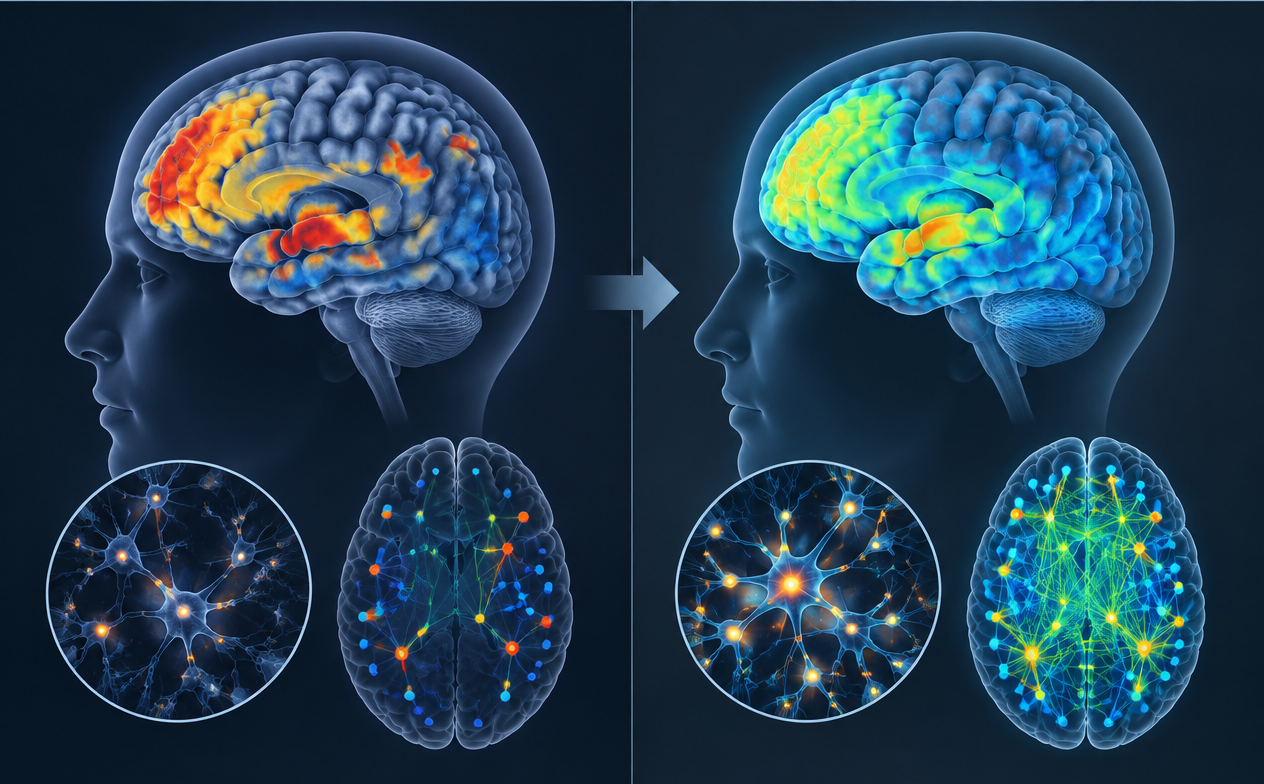
Device: BIOKYBA BRAIN (by BIOKYBA)Intervention: Low-Intensity Repetitive Transcranial Magnetic Stimulation (rTMS)Treatment Protocol: Automatic Depression ProtocolReported Sample: 100 individuals diagnosed with severe depression Date of Preparation: January 18, 2025 Abstract Background Depression is a complex neuropsychiatric disorder associated with alterations in neural connectivity, emotional processing, cognitive regulation, and the functional activity of brain networks. Repetitive Transcranial…
-
Neuroplasticity and Cognitive Recovery: Emerging Perspectives in Modern Neuroscience
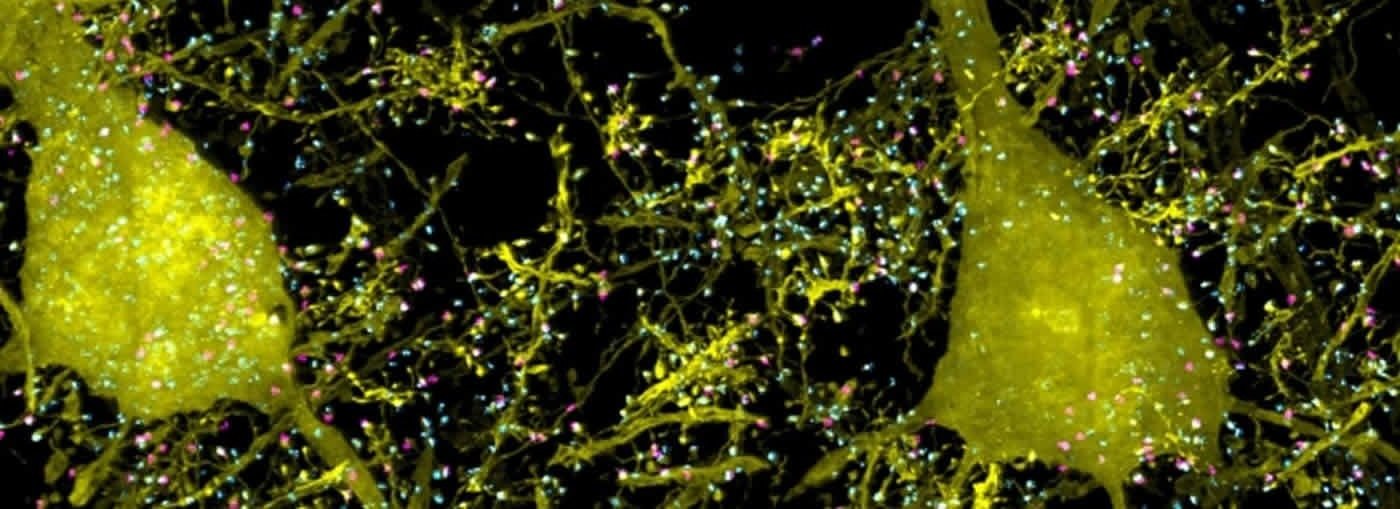
Article Type: Narrative Review Research Area: Neuroscience, Cognitive Rehabilitation, Neuroregeneration and Neuromodulation Abstract Neuroplasticity represents one of the most fundamental properties of the human nervous system, enabling the brain to adapt structurally and functionally in response to learning, environmental stimulation, injury, and disease. Over recent decades, advances in neuroscience have significantly expanded our understanding of…
-
What a Biomarker Can—and Cannot—Tell Us

A measurable signal in blood or tissue can help researchers track a biological process. Its presence alone does not establish a diagnosis, predict an outcome, or explain a cause.
-
A Cell Model Is a Starting Point
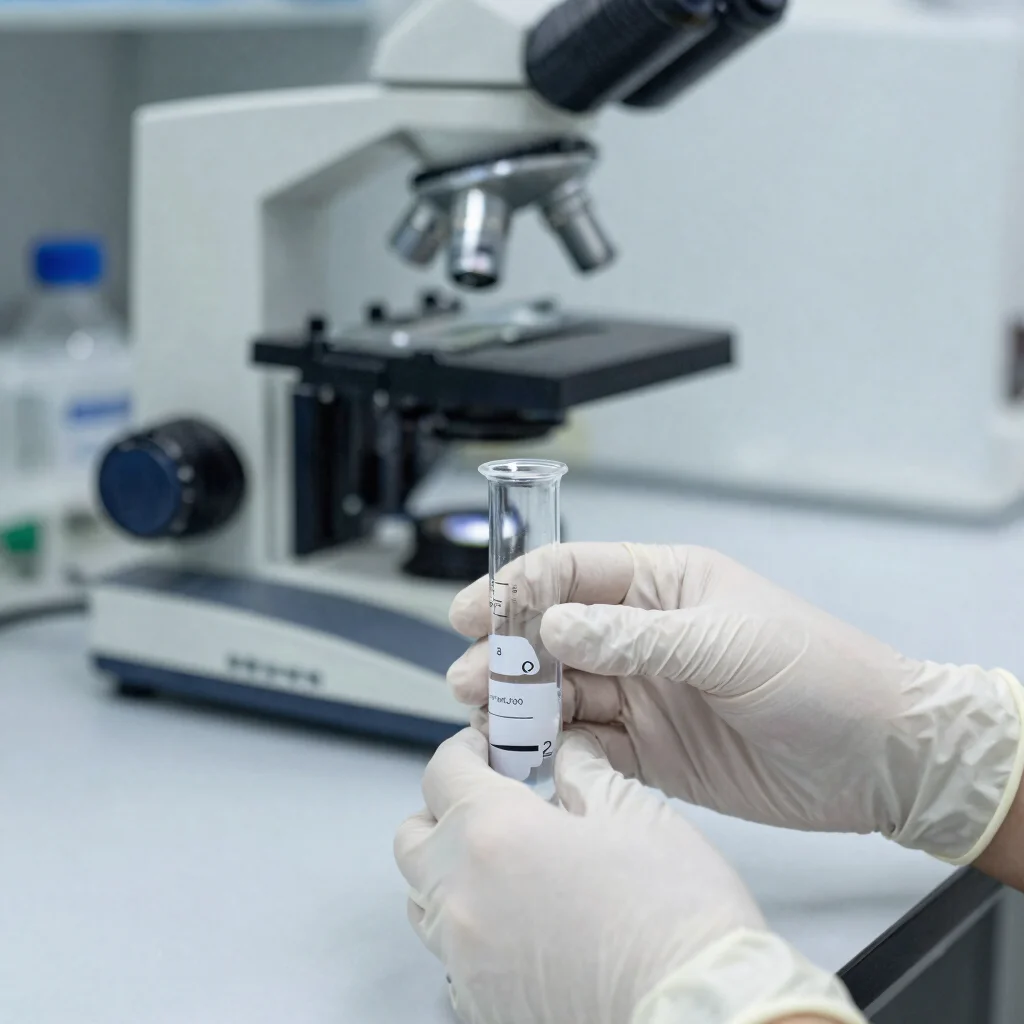
A result in cultured cells can reveal a useful mechanism, but it is not the same as evidence that an intervention works in people. The model sets the scope of the finding.
-
Read the Methods Before Trusting the Headline

A biomedical paper’s abstract can make a result sound clean and decisive. The methods show what was actually tested, in whom, and under which conditions.