
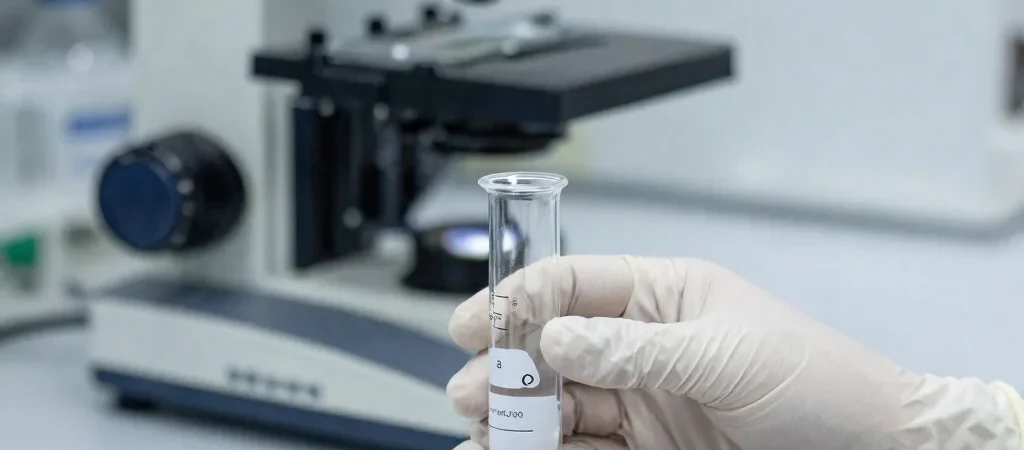
A dish of cultured cells can make a biological question experimentally manageable. Researchers can control conditions and examine how cells respond to a specific stimulus or treatment. That precision is valuable, but it also creates a boundary: a cell model is evidence about a model, not a miniature clinical trial.
What the Model Can Show
Cell experiments can help investigate mechanisms, compare responses under defined conditions, or identify questions worth testing next. The interpretation depends on what cells were used, how they were maintained, and whether the experimental conditions resemble the biology the researchers want to understand. A result may be informative without representing every cell type or the complexity of a whole organism.
What It Leaves Out
In a living body, cells interact with tissues, organs, immune responses, and changing chemical environments. A cultured-cell experiment cannot reproduce all of those relationships at once. Even a clear response in the dish does not establish that the same response will occur in an animal or a person, or that it would be safe or useful as a treatment.
Follow the Evidence Forward
The next useful question is not simply whether the finding is exciting, but what evidence would test it in a more relevant setting. Researchers may need to examine other cell models, use an appropriate organism model, or ultimately conduct carefully designed clinical research, depending on the question. When reading a paper, keep the conclusion aligned with the stage of evidence: a promising mechanism is a reason to investigate, not a claim of clinical benefit.